📌 Key Takeaways
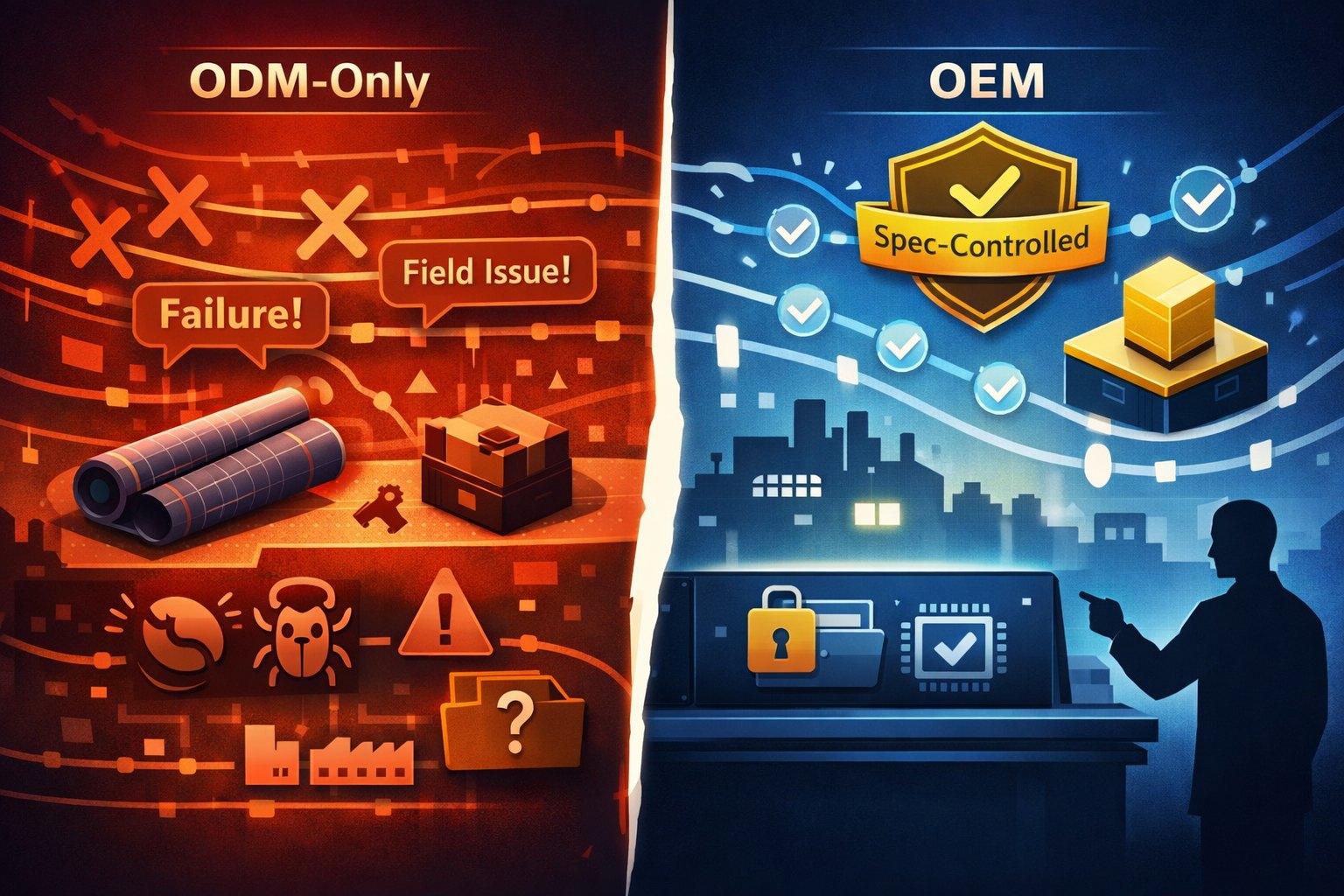
Worried a factory will run off with your design? Lock the process with a three-contract system that controls disclosure, ownership, and sales before a single PO is issued.
Sequence Contracts, Not Chaos: Start with a bilingual, supplier-jurisdiction NNN, follow with a Product Development Agreement that assigns IP and tooling, and finalize with a Manufacturing Agreement that enforces exclusivity, QC, confidentiality, audits, and remedies.
Use an NNN, Not Just an NDA: An NNN adds non-use and non-circumvention to confidentiality and, when drafted under local law and language, creates a stronger first barrier to idea leakage.
Own the Work, Access the Files: The Product Development Agreement must assign foreground IP and tooling to you while guaranteeing editable CAD, firmware, and test-data access with clear change control.
Control Channels Upfront: The Manufacturing Agreement should codify territory and marketplace exclusivity, platform takedown cooperation, audit rights, and—where permitted—liquidated damages for unauthorized sales.
Make Enforcement Practical: Align governing law, venue, and language across all three agreements and tie tooling return and file handover to milestone payments and termination events.
Sequence the trio, align the law, control the channels.
By the China Future Sound Insights Team
Start from control.
The conference room falls quiet. A sourcing manager hovers over a CAD render while the team debates whether it’s safe to brief an overseas factory this week. The risk isn’t theoretical; it’s reputational, financial, existential.
If the worry is, “The factory will steal it,” the path forward is structure, not guesswork. This guide shows exactly what to sign, when to sign it, and why each agreement closes a specific risk window. Picture the outcome: a contract-backed launch where ownership is clear, channels are controlled, and every step from prototype to PO is gated.
Protecting your IP in OEM manufacturing is a system, not a single document.
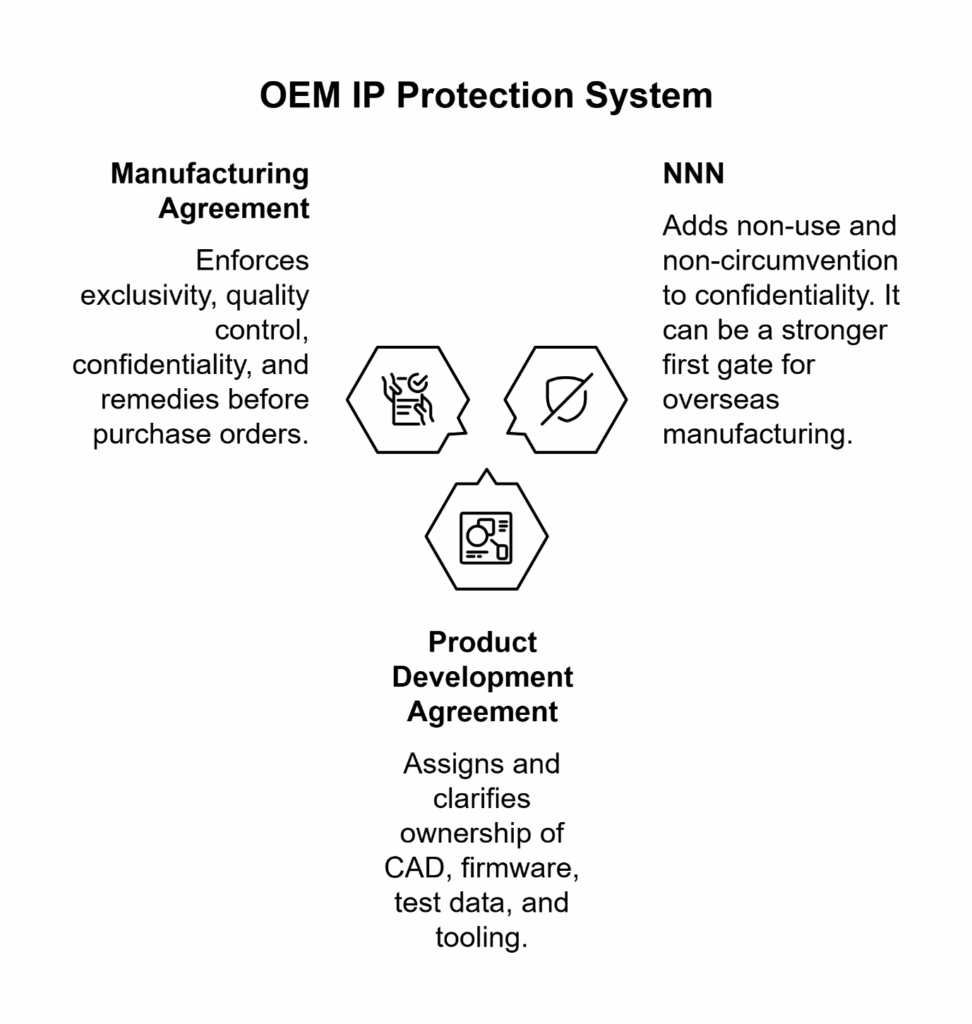
According to the China Future Sound framework, sequence and jurisdiction drive enforceability. The OEM IP Protection Program prevents idea leakage via an NNN (non-disclosure, non-use, non-circumvention). A Product Development Agreement assigns and clarifies ownership of CAD, firmware, test data, and tooling. A Manufacturing Agreement enforces exclusivity, quality control, confidentiality, and remedies before purchase orders. These are general best practices; specific clauses and enforceability vary by jurisdiction and contract language.
Why OEM IP Protection Is a System, Not a Single Contract
In practice, a generic NDA often fails to address how ideas are used or how a supplier might route around the buyer. An NNN adds non-use and non-circumvention to confidentiality and, when drafted for the supplier’s jurisdiction and language, can be a stronger first gate for overseas manufacturing. This is widely recognized by international IP helpdesks serving SMEs and aligns with established trade-secret management principles.
Mixed Framing:
Definition: A three-document system that assigns rights and enforces behavior.
Analogy: Think locks and gates—the NNN is the perimeter lock, the Development Agreement is the key-control ledger, the Manufacturing Agreement is the turnstile with ID checks and alarms.
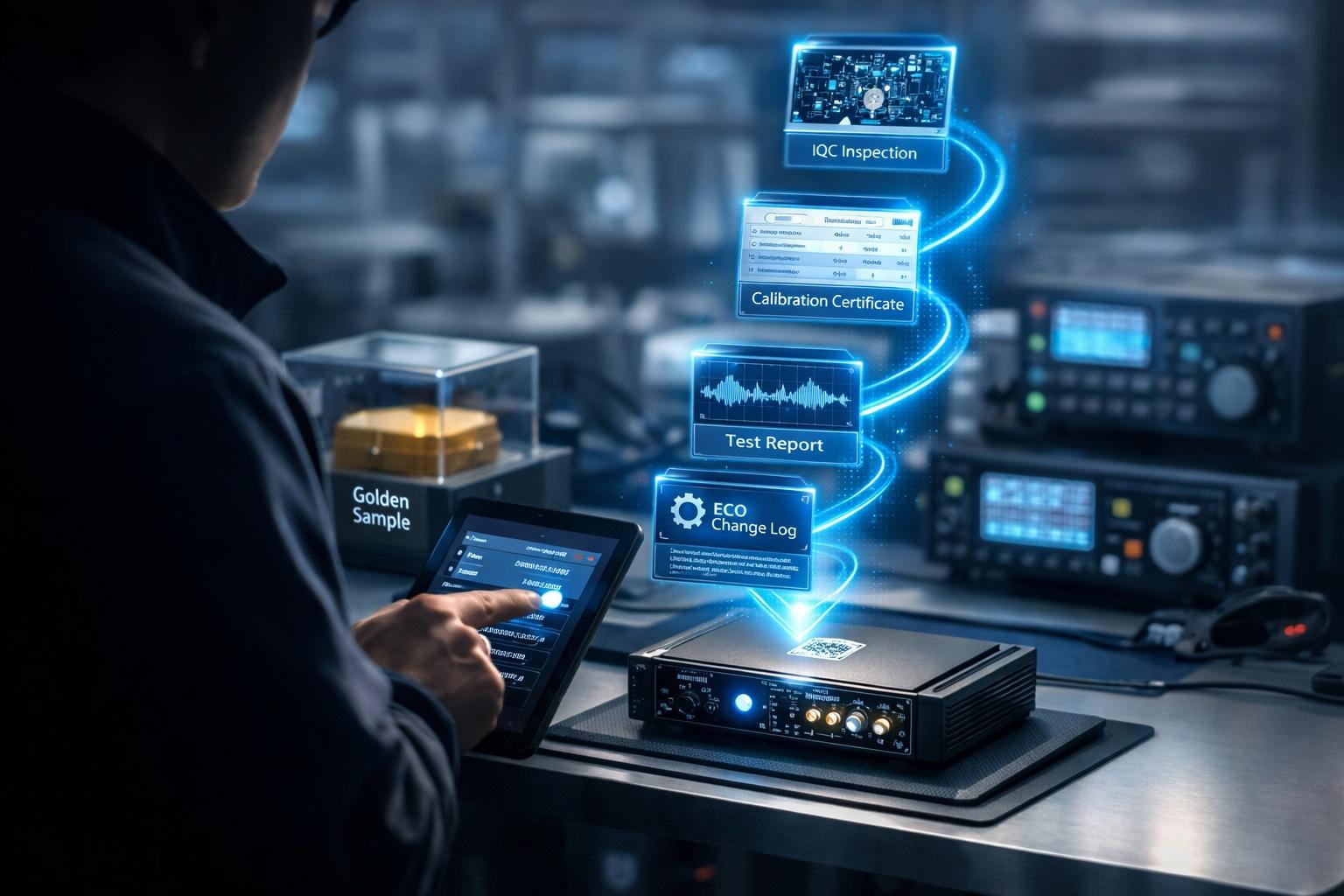
Scenario: During the “golden sample” handoff, the supplier hints that the mold is “part of the factory.” Without clear tooling and data-ownership clauses, production stalls and leverage evaporates.
Action: Follow the signing sequence below—NNN → Development → Manufacturing—and keep the clause set aligned end-to-end.
NNN vs NDA — The Right First Gate for Overseas Manufacturing
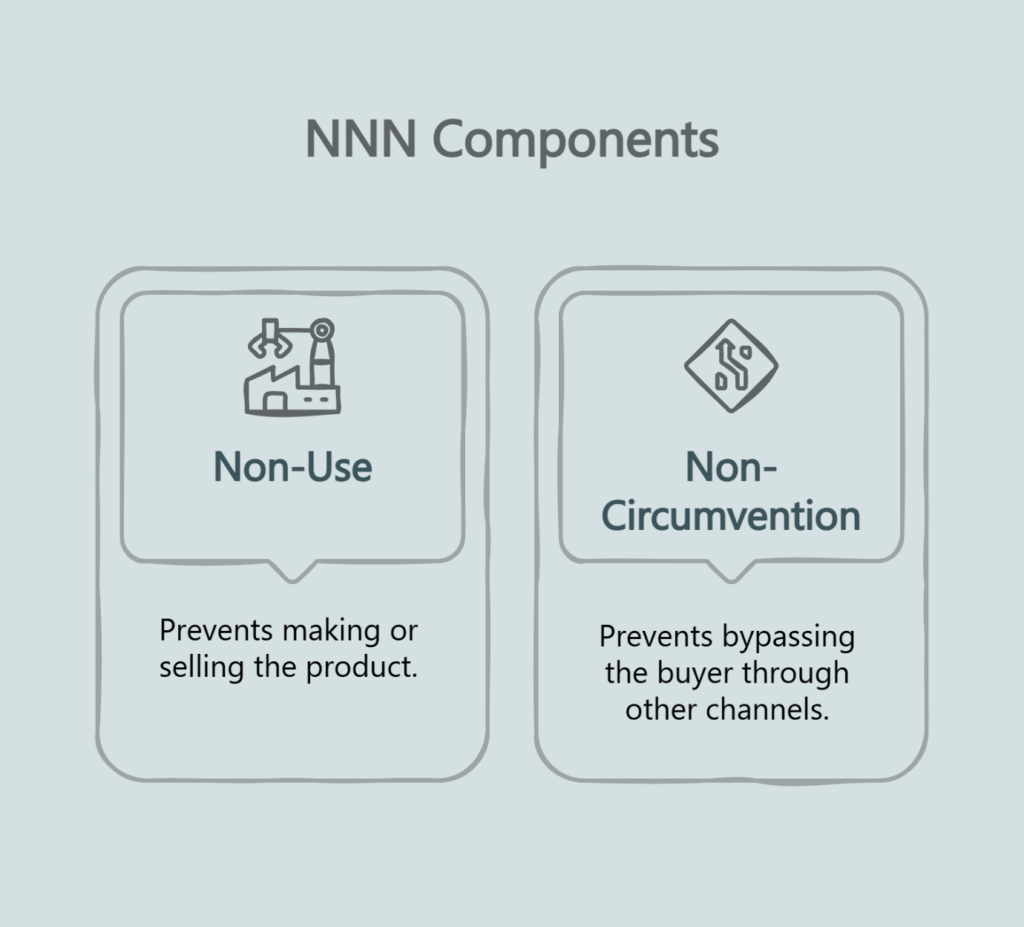
The surprise insight: For cross-border OEM discussions, NDAs alone are frequently insufficient; teams often use an NNN because it adds non-use (no making/selling) and non-circumvention (no bypassing the buyer through other channels), anchored to the supplier’s jurisdiction and in a bilingual form. This is a generally accepted practice in international sourcing; it is also reflected in guidance from recognized IP helpdesks that support SMEs.
What Non-Use and Non-Circumvention Actually Prevent
- Non-use: The supplier cannot make, have made, or exploit the concept or any derivative product except for the buyer’s project.
- Non-circumvention: The supplier cannot approach the buyer’s customers, distributors, or channels to sell look-alikes.
These scopes are typically tied to a project ID, product family, and channels/territories. Exact enforceability depends on local law and how precisely the clauses are drafted.
Jurisdiction, Language, and Enforcement Basics
For sensitive, pre-commercial disclosures, govern the NNN under the supplier’s local law and make it bilingual. Doing so often reduces friction in local enforcement. The remedy structure and forum selection (courts or arbitration) should align with downstream agreements. General principle: align all three agreements on governing law, venue, and language to avoid conflicts later.
Locking Ownership Early — The Product Development Agreement
Core idea: Ownership does not travel by assumption; it travels by contract. A Product Development Agreement (PDA) should assign IP and tooling ownership to the buyer, define access rights to working files, and embed change control.
What belongs in scope (typical in OEM audio):
CAD and mechanical drawings, PCB and firmware, DSP profiles, acoustic test data, packaging dielines, and any prototype or pilot-run data sets.
Ownership & access (generally accepted practice):
- Assignment: Foreground IP created for the project is assigned to the buyer.
- Access rights: The buyer receives editable files (not just PDFs), test reports, and manufacturing documentation.
- Tooling: Molds, jigs, and fixtures are identified as buyer-owned assets with serials, custody rules, and return/destruction triggers.
Law-firm guidance on development agreements consistently emphasizes explicit allocation of background vs. foreground IP and ensuring assignments are unambiguous—especially before prototyping costs mount.
Change Control, Access Rights, and Deliverables
Specify milestone reviews, sign-off criteria for “golden sample,” and what constitutes an approved change. Tie tooling release and file handover to staged payments. Require a destruction/return certificate at termination or transfer.
From Prototype to PO — The Manufacturing Agreement as Your Operational Shield
Function: Turn policy into practice. A Manufacturing Agreement (MA) operationalizes protection through exclusivity, quality control, confidentiality, audit rights, and remedies (including liquidated damages where permitted). Reputable international practice notes these levers as common tools for managing supplier behavior and incentivizing performance.
Exclusivity & Channel Control (Regions, Marketplaces, White-Label)
Define territory (e.g., North America, EU) and channels (e.g., Amazon, direct-to-consumer) with non-compete windows and prohibitions on white-label variants. Include a platform takedown cooperation clause (evidence, timing, and responsibility).
QC, Confidentiality, Audit Rights, and Remedies
- QC: Sampling plans, AQL levels, and rework/chargeback mechanisms.
- Confidentiality: Flow down to subcontractors; survival beyond termination.
- Audit rights: Factory audits on specified notice, with corrective action timelines.
- Remedies: Tailored liquidated damages for late deliveries or unauthorized sales (where enforceable), tooling return on demand, and suspension/termination triggers.
The Signing Sequence & Decision Checklist
Sequence (use this as your meeting-ready script):
- NNN (Pre-discussion): Bilingual, supplier-jurisdiction, scoped to concept, contacts, and channels.
- Product Development Agreement (Pre-prototype): Assign IP/tooling; define deliverables, milestones, and access rights.
- Manufacturing Agreement (Pre-PO): Lock QC, exclusivity, confidentiality, audit rights, and remedies; align with NNN/PDA law, venue, and language.
Decision checklist (answer first):
- Who owns the CAD, firmware, test data, and tooling?
- Which channels/regions are exclusive—and for how long?
- What are the remedies for leakage, delays, or look-alike listings?
- Are governing law, venue, and language aligned across all three documents?
OEM IP Protection Trio: A One-Page Field Guide (NNN • Development • Manufacturing)
| Document | Risk Mitigated | When Used | Must-Have Clauses | Enforcement Notes |
|---|---|---|---|---|
| NNN Agreement | Idea leakage, supplier work-around, premature channel outreach | Before sharing specifics | Non-disclosure, Non-use, Non-circumvention; project ID; channel/territory scope; survival; bilingual; local governing law | Local law + language often aids enforceability for pre-commercial disclosures (general principle) |
| Product Development Agreement | Ownership ambiguity; tooling hostage risk; file access gaps | Before prototype or tooling | Assignment of foreground IP; access to working files; change control; tooling ID, custody, return/destruction certificates | Tie file/tooling release to payments; align venue/law with NNN |
| Manufacturing Agreement | Unauthorized sales; QC failures; disclosure by subcontractors | Before issuing POs | Exclusivity/territory/channels; QC/AQL; confidentiality (flow-down); audit rights; liquidated damages (where allowed); takedown cooperation | Align remedies with earlier agreements; specify evidence packages and timelines |
Deep Dive: Understanding “NNN vs NDA” for Overseas OEMs
Why it’s critical. NDAs typically address disclosure only. In OEM contexts, the key risks are use (making/selling) and circumvention (selling around you). An NNN targets all three. Recognized SME resources explicitly note that NDAs may be insufficient for manufacturing in Asia and that NNNs are commonly preferred.
Common misconceptions:
- “An English-only NDA is fine.” Not when local enforcement expects a bilingual contract under local law.
- “We’ll fix ownership later.” Ownership leverage erodes once tooling sits in someone else’s factory.
- “Exclusivity is implied.” It isn’t; define regions, channels, and windows.
Real-world implications: Teams that lead with a locally governed, bilingual NNN typically enter development with clearer leverage; those that skip it often negotiate from a weaker position once samples exist.
Myth & Fact
Myth: “A standard NDA is enough for China.”
Fact: NDAs typically omit non-use and non-circumvention scopes and can be harder to enforce abroad. A bilingual, local-law NNN is purpose-built for OEM realities. (This reflects widely observed practice and SME guidance.)
Common Pitfalls (Address These Before POs)
- English-only NDA with foreign suppliers → Use a bilingual NNN governed by the supplier’s jurisdiction.
- Failing to assign tooling ownership → State ownership, custody, return timing, and require destruction/return certificates at end of term. (Law-firm guidance often highlights tooling as a flashpoint in China OEM.)
- Skipping territory/channel exclusivity → Define regions, marketplaces, white-label prohibitions, and a non-compete window.
What If…?
Scenario: A look-alike appears on a marketplace before your launch.
Plan:
(1) Invoke NNN breach with an evidence package (timestamped CAD, emails, listing screenshots).
(2) Trigger Manufacturing Agreement exclusivity/takedown cooperation and file platform notices.
(3) Escalate per governing law with counsel. These steps are generally advisable; exact remedies depend on the signed contracts and applicable law.
A Question You Should Be Asking
Who controls tooling custody and return timing?
Specify custody during production, return/destruction on termination, and documentary proof. Tie final payments to verified return or destruction to maintain leverage.
FAQ: Enforceability, Trademarks, and Practical “What-Ifs”
Is an NNN enforceable if signed in English only?
Often not ideal. For overseas enforcement, local law + bilingual drafting is commonly preferred.
Who owns molds and CAD files after prototyping?
Unless assigned in the PDA, ownership may be contested. Treat ownership and access as non-negotiable.
Can an OEM sell a similar design under another brand?
Prevent this through non-use (NNN) and exclusivity/channel controls (MA). Remedies should include audit rights and, where permitted, liquidated damages specific to unauthorized sales.
Should trademarks be filed early in the supplier’s jurisdiction?
In first-to-file systems, early filing often prevents brand hijacking and export-label conflicts. This is a general risk-management principle and should be validated with counsel.
From Anxiety to Control — Launch With Confidence
Protecting your IP is a staged sequence, not a stack of paperwork. Start with the NNN before you speak in specifics. Lock ownership and access in the Development Agreement before any prototype or tooling spend. Then enforce exclusivity, QC, confidentiality, audits, and remedies in the Manufacturing Agreement before issuing POs.
Full-circle: The team that once hesitated now runs a repeatable launch playbook. The office sounds different: fewer frantic calls, more milestone check-ins, and the clean click of a purchase order released on schedule. Before, the golden sample felt like a cliff edge. After, it’s a gate—checked, logged, and opened on your terms.
Ready to Lock Down Your Next Launch?
Request a review of your draft NNN, Development, and Manufacturing Agreements—or start a new build with the correct sequence and jurisdictional alignment. Get custom audio solution quote • Request Custom OEM Quote • Get in Touch. Prefer a lighter touch first? Subscribe to Our Newsletter for practical checklists and clause tips.
By the China Future Sound Insights Team.
This article provides general information about intellectual property protection in OEM manufacturing for educational purposes. Individual circumstances vary significantly based on factors like jurisdiction, contract language, the manufacturing partner’s location, and enforcement mechanisms. For personalized guidance tailored to protecting your brand’s OEM program, it is recommended to consult with a qualified professional.
Our Editorial Process
“Our expert team uses AI tools to help organize and structure our initial drafts. Every piece is then extensively rewritten, fact-checked, and enriched with first-hand insights and experiences by expert humans on our Insights Team to ensure accuracy and clarity.”
About the ChinaFutureSound.com Insights Team
The ChinaFutureSound.com Insights Team is our dedicated engine for synthesizing complex topics into clear, helpful guides. While our content is thoroughly reviewed for clarity and accuracy, it is for informational purposes and should not replace professional advice.