From RFQ to SOP: OEM Amplifier Supplier Timelines That Actually Hold

📌 Key Takeaways A single slip in your supplier timeline can cascade into missed compliance windows, packaging rework, and warranty exposure that far exceeds the original delay. Prepared gates, explicit buffers, and artifact-based acceptance transform hope into accountability. Program owners, procurement teams, and quality managers will find the framework here, preparing them for the phase-by-phase… Continue reading From RFQ to SOP: OEM Amplifier Supplier Timelines That Actually Hold

Thermal & Reliability Expectations to Set with Your OEM Amplifier Supplier Before Tooling
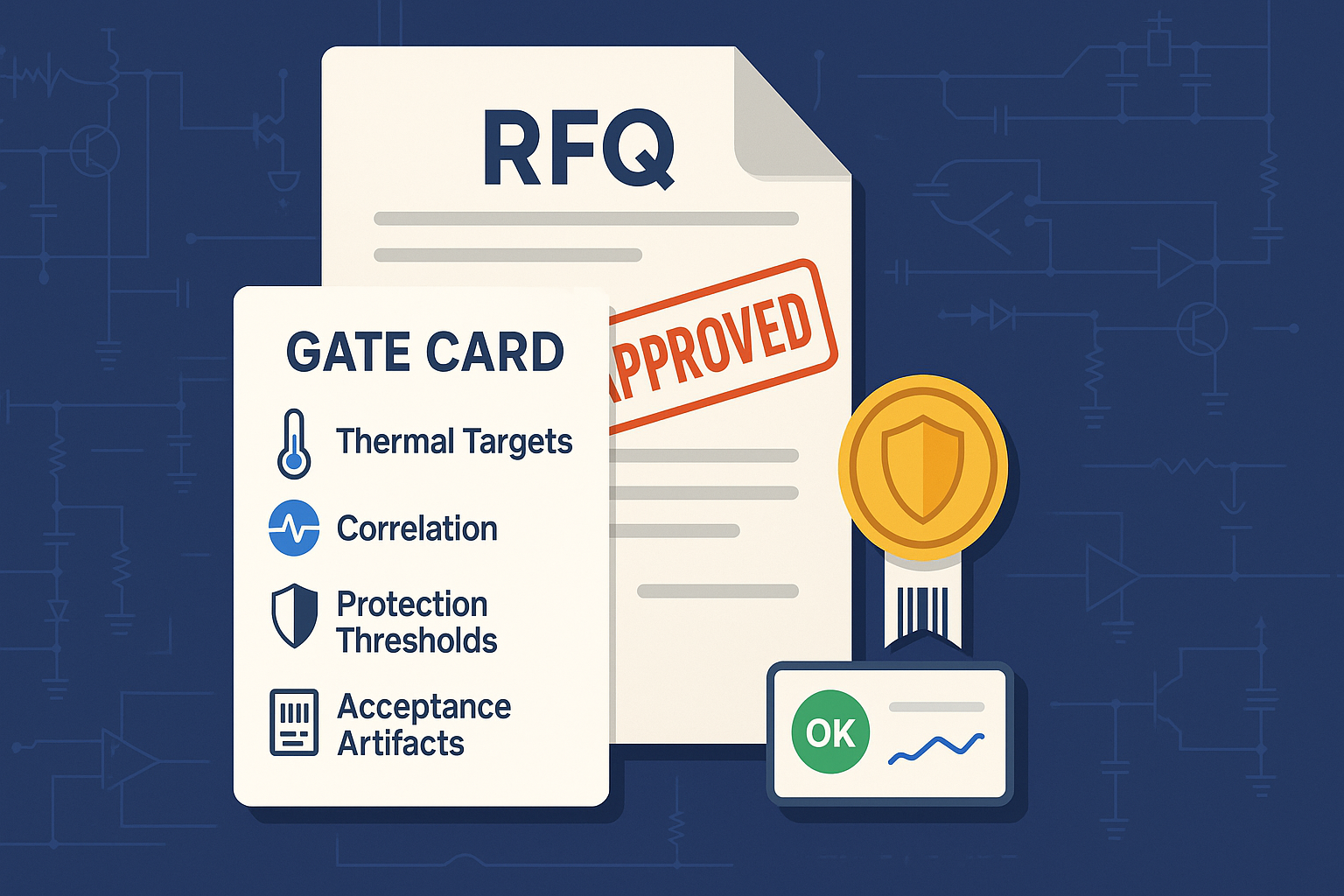
📌 Key Takeaways Heat kills schedules—thermal failures discovered after tooling lock design parameters that can’t accommodate proper safety margins. Set these expectations in RFQ annexes and contract statements of work—payment milestones tied to correlation reports, HALT completion, and acceptance artifacts make thermal reliability legally binding rather than aspirational. Brand owners, product leaders, and quality executives… Continue reading Thermal & Reliability Expectations to Set with Your OEM Amplifier Supplier Before Tooling
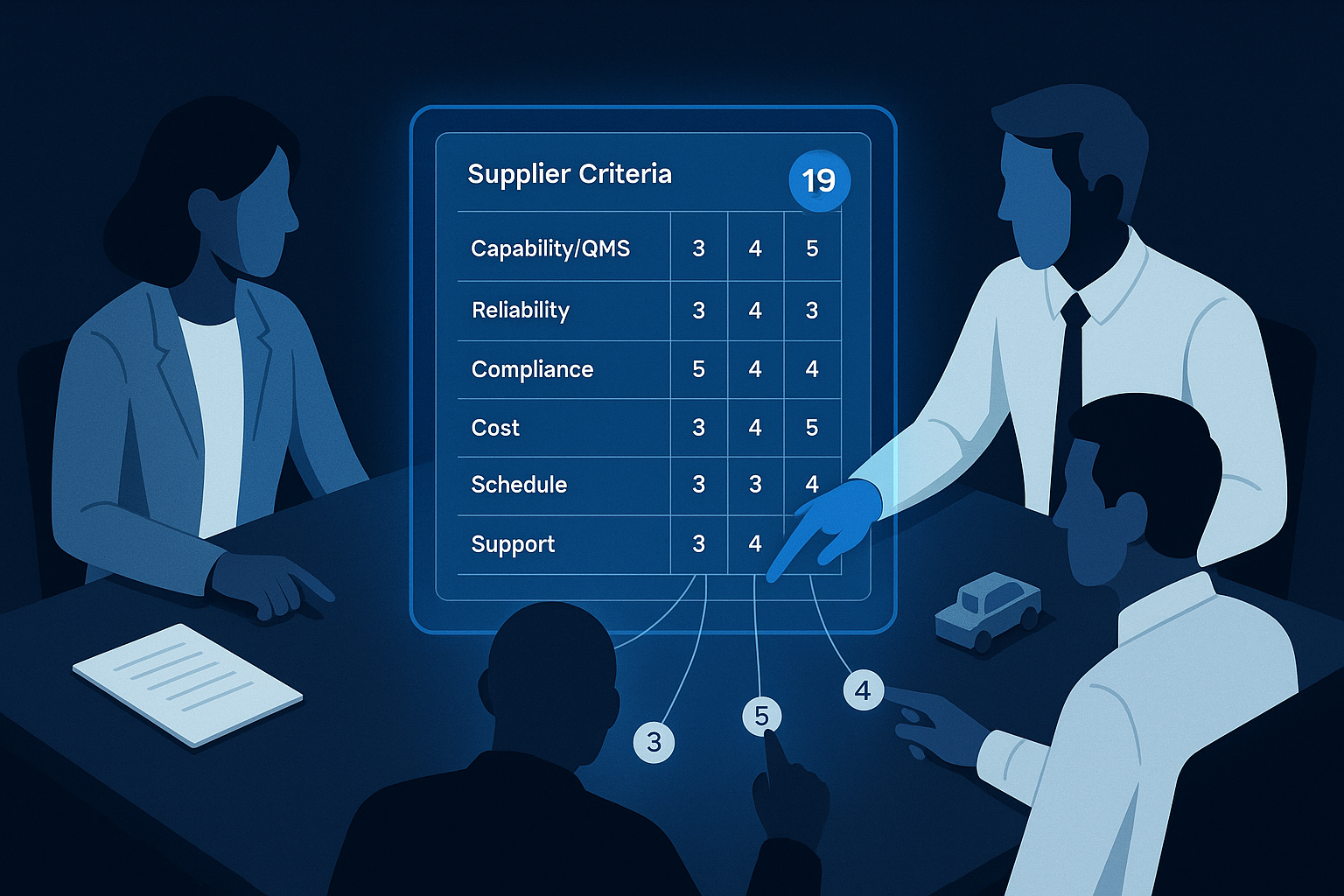
OEM Amplifier Supplier Due Diligence: The Nine Non-Negotiables for Quality and Compliance

📌 Key Takeaways Supplier diligence separates programs that scale smoothly from those that stumble on quality surprises, certification delays, and warranty spikes. Prepared diligence protects launch timelines, reduces warranty reserves, and builds supplier partnerships that strengthen over time. Brand partners, private-label program managers, and sourcing directors evaluating OEM amplifier manufacturers will find this framework here,… Continue reading OEM Amplifier Supplier Due Diligence: The Nine Non-Negotiables for Quality and Compliance

A Shared Framework for OEM Amplifier Supplier Alignment: Bridging Product Management and Procurement

📌 Key Takeaways Cross-functional supplier debates end when Product, Procurement, and Quality commit to explicit criteria and weightings before any vendor conversation begins. Explicit frameworks turn circular debates into transparent trade-offs, reducing post-decision conflict and accelerating program launches. Product management leads, procurement managers, and quality executives at audio and consumer electronics brands will gain a… Continue reading A Shared Framework for OEM Amplifier Supplier Alignment: Bridging Product Management and Procurement

First-Article Approval for Amplifiers: The Acceptance Criteria Dealers Should Require

📌 Key Takeaways: Pilot-stage decisions determine whether your amplifier program succeeds or becomes a costly warranty nightmare. Lock Acceptance Criteria Before Scale: Define yield thresholds, test coverage, and burn-in requirements at first-article approval to prevent quality escapes during volume production.  Move Quality Gates Forward: Problems discovered after purchase orders cost significantly more to fix and… Continue reading First-Article Approval for Amplifiers: The Acceptance Criteria Dealers Should Require

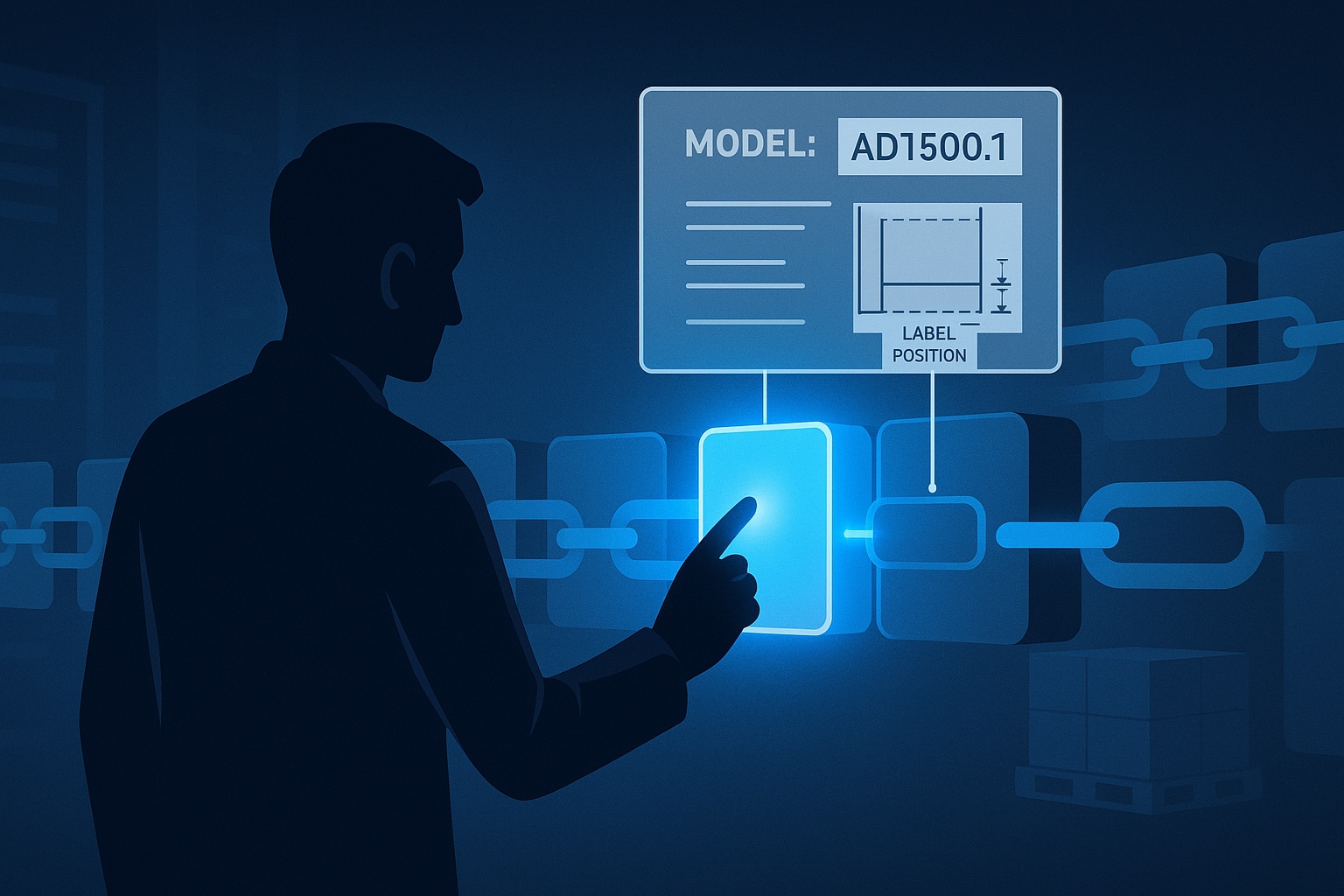
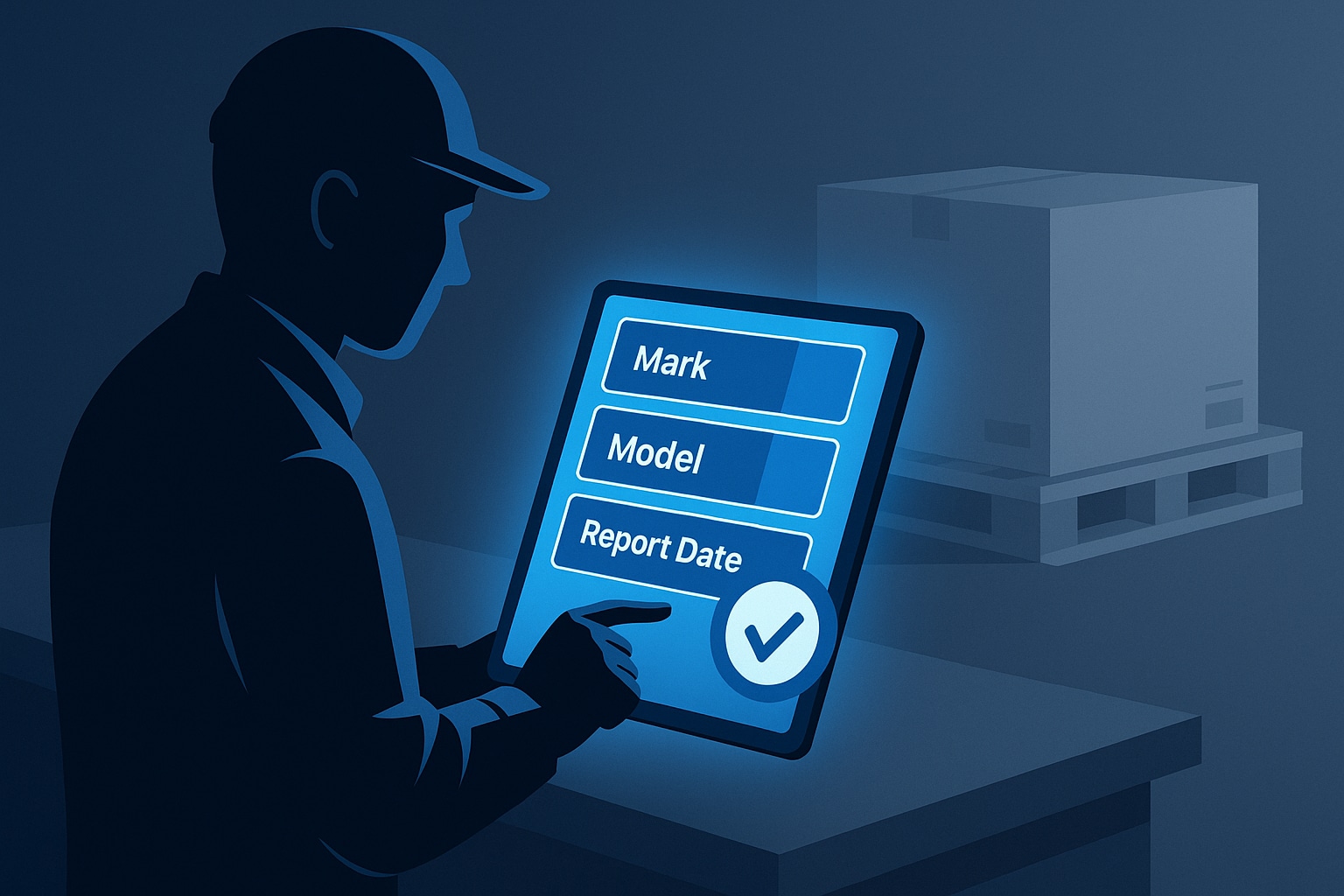
Country-of-Origin & Marking for Amplifiers: Avoid Common Receiving Holds

📌 Key Takeaways Receiving holds aren’t inevitable disruptions—they’re preventable outcomes of predictable upstream decisions that teams can control through systematic labeling governance. Lock COO Decisions Pre-Pilot: Country of origin determinations must be frozen before production begins, with substantial transformation analysis documented and filed with first-article records to prevent costly mid-stream changes.  Synchronize Systems First: The… Continue reading Country-of-Origin & Marking for Amplifiers: Avoid Common Receiving Holds

Safety Listing for Amplifiers: UL vs. ETL—What Dealers Actually Check

📌 Key Takeaways: Documentation quality predicts supplier reliability across every operational dimension, making compliance packages your fastest path to identifying trustworthy manufacturing partners. NRTL Recognition Trumps Brand Preference: UL and ETL marks carry identical regulatory weight under OSHA’s program—acceptance depends on proper documentation, not which laboratory conducted the testing.  Model-Report Alignment Prevents Costly Delays: A… Continue reading Safety Listing for Amplifiers: UL vs. ETL—What Dealers Actually Check

Amplifier Manufacturing Services: A DFM-to-Ramp Framework for Reliable, On-Time Launches

📌 Key Takeaways Manufacturing delays destroy product momentum faster than any technical flaw ever could. DFM Decisions Drive Everything: Upstream manufacturability choices during design review reduce downstream yield problems by orders of magnitude—lock tolerances, thermal paths, and test points before any pilot unit gets built.  First-Article Approval Needs Numbers: Replace subjective sign-offs with explicit metrics… Continue reading Amplifier Manufacturing Services: A DFM-to-Ramp Framework for Reliable, On-Time Launches

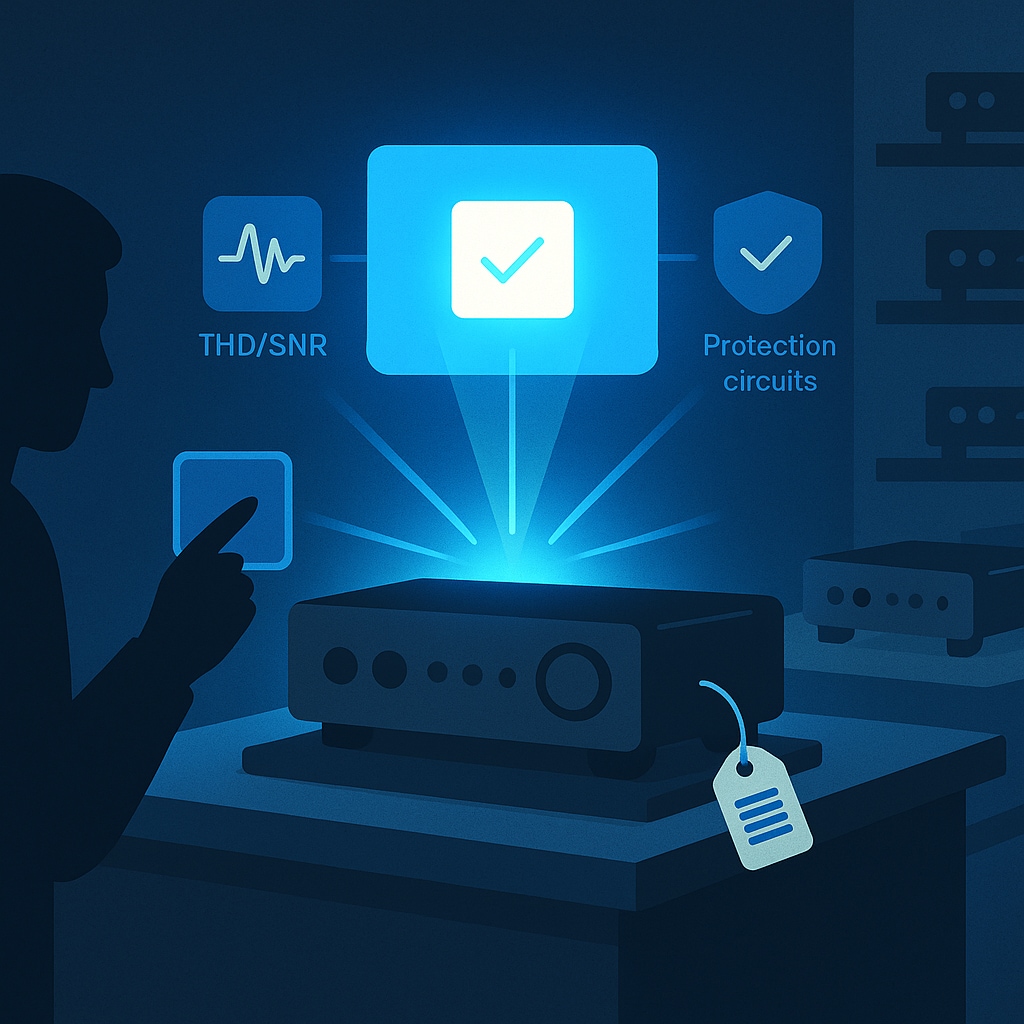
ATE & End-of-Line Testing for Amplifiers: Reducing DOA Without Slowing Ramp

📌 Key Takeaways Manufacturing quality doesn’t have to sacrifice speed when you implement the right testing gates at the right moments. Myth-Busting Reality Check: Well-engineered ATE protects throughput as much as it protects quality through standardized fixtures, capability-based limits, and clear fail-code taxonomy that speeds rework and vendor feedback. Standards Become Your Accelerator: Aligning acceptance… Continue reading ATE & End-of-Line Testing for Amplifiers: Reducing DOA Without Slowing Ramp

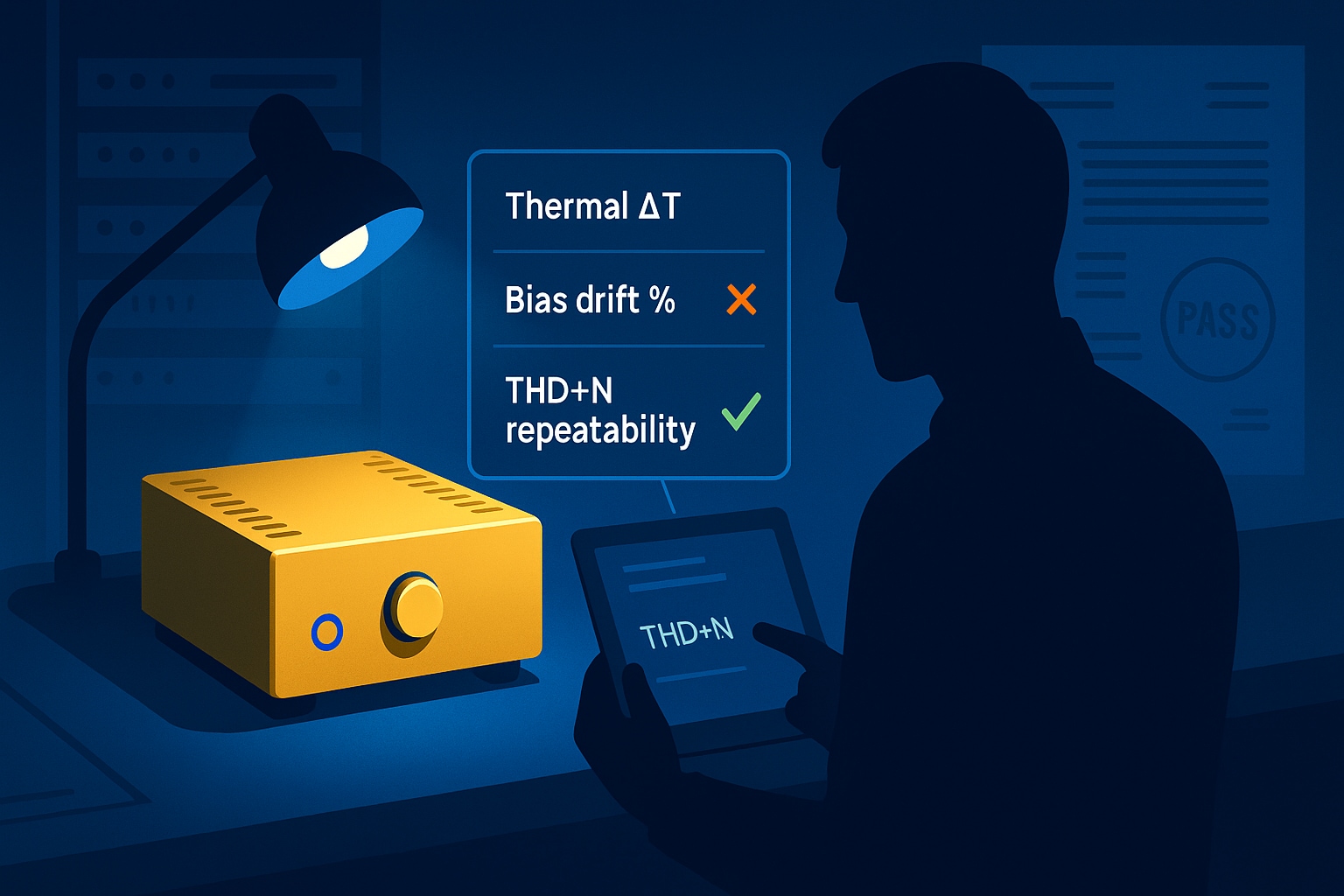
DFM Inputs for Amplifiers: The Eight Specifications That Most Affect Yield

📌 Key Takeaways: Manufacturing yield depends more on measurable acceptance criteria than perfect specifications on paper. Operational Evidence Trumps Specifications: Repeatable test methods with clear pass/fail limits predict production outcomes better than theoretical spec sheets.  Focus on the Critical Eight: Thermal margin, power supply regulation, bias stability, THD+N repeatability, EMI margins, mechanical tolerances, soldering windows,… Continue reading DFM Inputs for Amplifiers: The Eight Specifications That Most Affect Yield

Let’s build your audio product line.

Get in touch with our engineering and B2B sales team. We respond to all qualified wholesale inquiries within 24 hours.